Disinfecting Shared Equipment: Simple But So Essential!
There’s been a lot of talk in recent years about nosocomial infections (infections acquired in a hospital or healthcare setting).
Seniors are among those most vulnerable to this type of infection. As we age, various factors increase our risk of acquiring infections
These include incontinence, the presence of wounds, a weakened immune system, incomplete vaccination and failure to follow proper hand hygiene measures. The more people who share the same space or the same equipment, the greater their risk of being exposed to microorganisms.
The key is to avoid contaminated spaces or sharing non-disinfected healthcare equipment as much as possible. That’s where the importance of proper cleaning and disinfection comes in.
The reality in seniors’ homes and hospitals
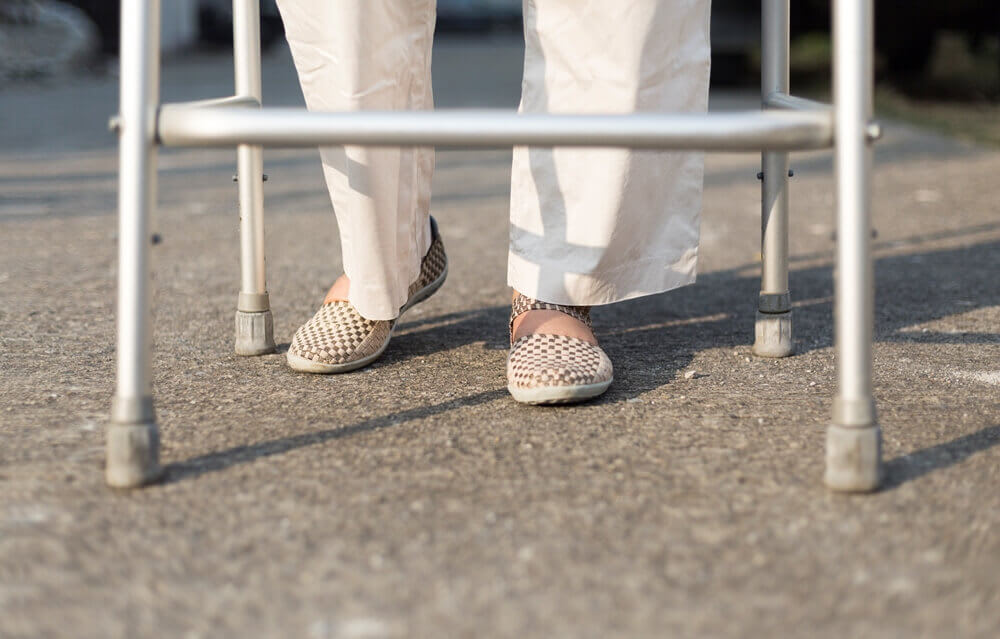
Ideally, some healthcare equipment should be reserved for the exclusive use of a single resident or patient. This includes mobility assistance equipment such as walkers and wheelchairs. This equipment should also be kept spotlessly clean. In many facilities, however, this type of equipment sometimes has to be shared. In such cases, equipment should be cleaned and disinfected after each user and before being stored in a closed and clean location.
Solutions that work
All staff members should be familiar with basic practices and precautions and apply them religiously to prevent or minimize the spread of infections. Residents/patients and visitors alike should also be informed of the facility’s infection prevention rules that apply based on their current state of health.
Hand hygiene continues to be the most effective way to prevent spreading infections. It is therefore crucial that all residents/patients frequently wash their hands to protect themselves and others.
Regularly cleaning the facility will also reduce the risk of spreading microbes. This includes cleaning both frequently touched surfaces as well as all visible dirt, sweeping floors in common areas, etc. Dirty cleaning cloths should not be reused in clean water. Disposable disinfecting wipes are an excellent option because they can quickly disinfect surfaces and decontaminate equipment to reduce the risk of infection. They also can be left in all rooms for everyone’s use (staff, residents and visitors). The frequency of cleaning and disinfection can also be increased depending on the risk of spreading microbes, such as in the case of gastroenteritis.


Products and Solutions

Like what you’re reading?
Get practical, expert-driven advice—sent straight to your inbox